SaaS Security for Atlassian

Why Atlassian Needs SaaS Security

Trying to protect SaaS without the right tools or context adds complexity and ignores risk:

  • Manual review does not scale: Security settings and permissions are unique for every vendor, demanding significant time and expertise to manage across SaaS
  • SaaS requires continuous monitoring: Access and privileges persist and evolve beyond intended use without monitoring or lifecycle enforcement, growing the attack surface
  • Disparate security leaves gaps: No centralized visibility or control over third-party app authorizations, OAuth scopes, or integration activity can leave risks unnoticed
  • Attackers are focused on SaaS: Compromise of high-privilege tokens or integrations can grant attackers persistent, organization-wide access to sensitive data
How AI is changing security for Atlassian

  • Embedded AI features are secretly training on your data: SaaS vendors are quietly releasing new AI capabilities that change how your data is accessed, processed, and retained
  • Unauthorized experimentation with AI can be serious violations: Users may inadvertently put your organization in breach of contract, out of compliance with regulatory obligations, or in violation of customer MSAs
  • Security and TPRM teams lack insight into every AI interaction: Once an application passes its initial review, those security assumptions often remain unchanged for years despite new AI features being released
  • AI agents can proliferate quickly: Users can rapidly create, connect, and deploy AI agents inside applications without security oversight 
  • Agents create new data exposure risks: Invisible AI agents leak, copy, and move sensitive data at machine speeds

How Obsidian Security Defends Atlassian

  • Detect embedded AI usage: Know every time your users interact with a known AI feature with real-time browser monitoring
  • Track AI agent creation and changes: Identify when users create, edit, or delete agents via the Browser Extension to monitor how AI is deployed in real-time
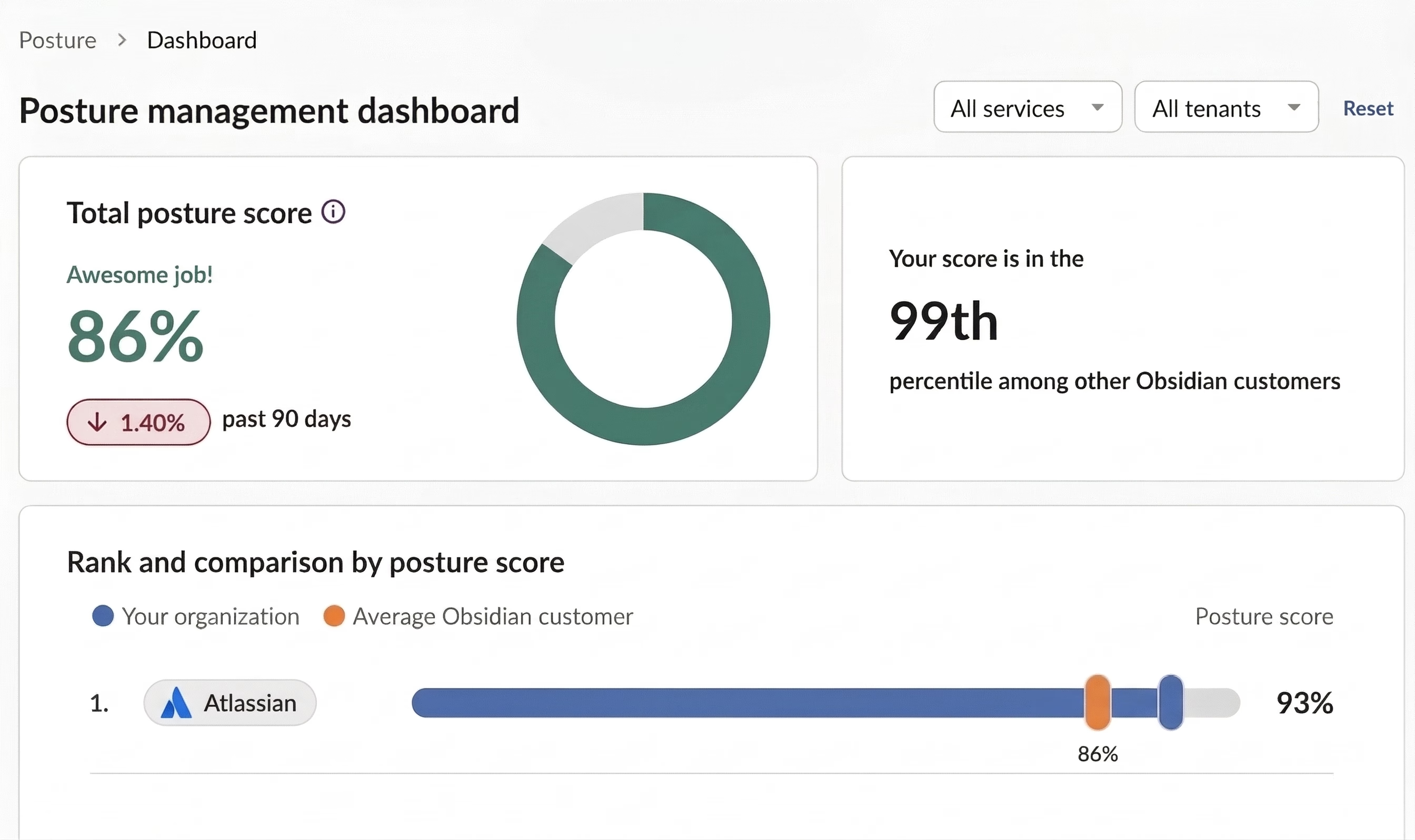
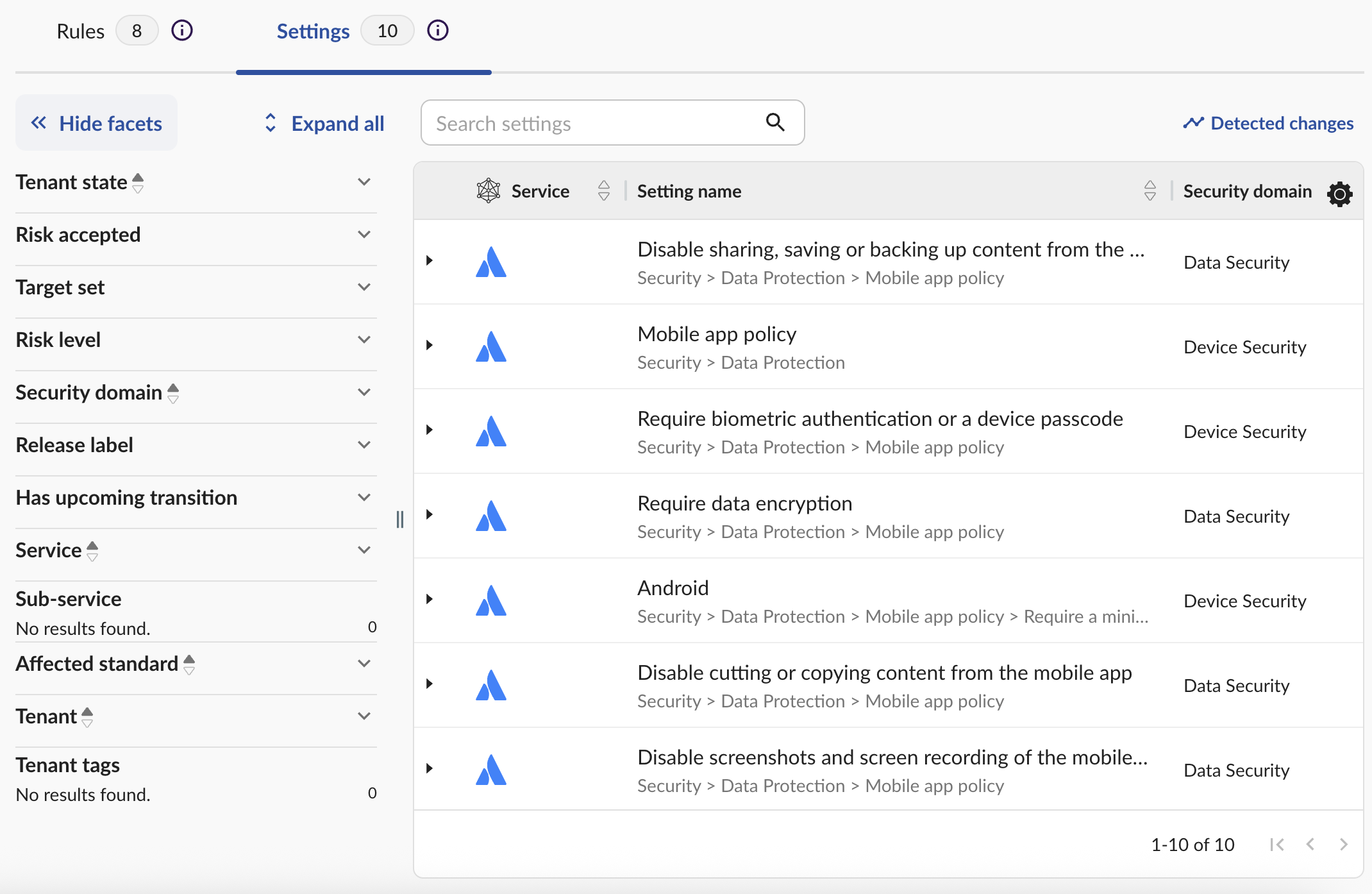
  • Continuously enforce secure SaaS configurations: Obsidian scores configurations based on criticality according to built-in or custom policies and flags high-priority failures.
  • Right-size privileged access and SaaS integrations: The Obsidian Knowledge Graph unifies identity across SaaS to flag weak MFA, inactive accounts, shadow admins, and overly broad scopes, human or non-human.
  • Detect and respond to SaaS threats in near real-time: Get high-fidelity security alerts the moment your SaaS events are processed.
  • Accelerate incident response: Speed up incident triage by reconstructing identity activity and events, making it simple to diagnose problems.
  • Prevent spear phishing and token compromise: Detect and prevent credential submissions to fake phishing sites to protect your corporate accounts, OAuth tokens, and sessions with browser-level security.

Related Resources

Incident Watch Cover

Incident Watch Cover