Users can unintentionally expose third-party application data by granting overly broad permissions or creating public links. Identify and remediate risky misconfigurations to prevent unauthorized access across every app.
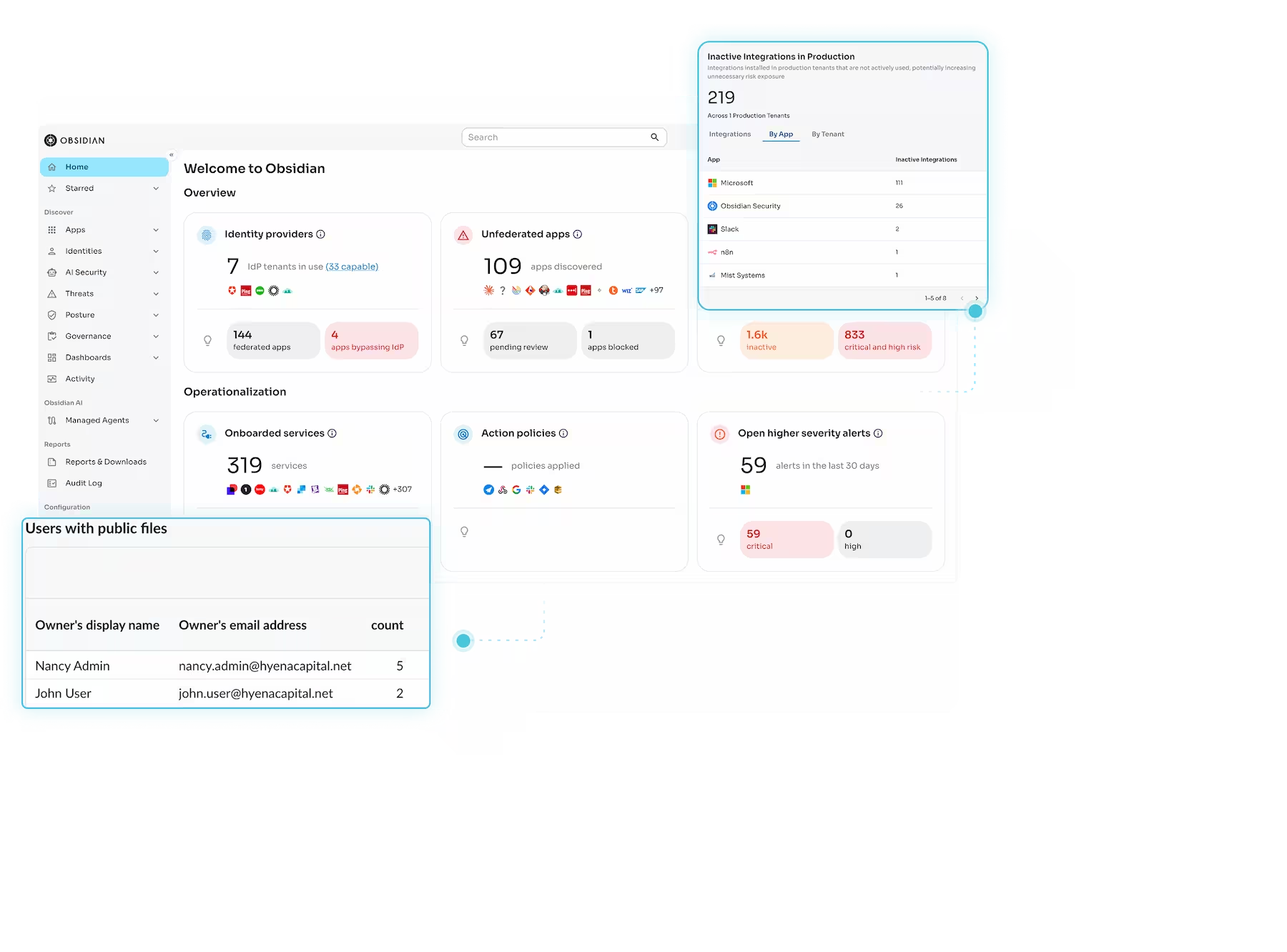
See what access is used, what is leftover, and why exceptions exist so you can cut excess privilege, right-size access, and shut down every instance of unauthorized data exposure.


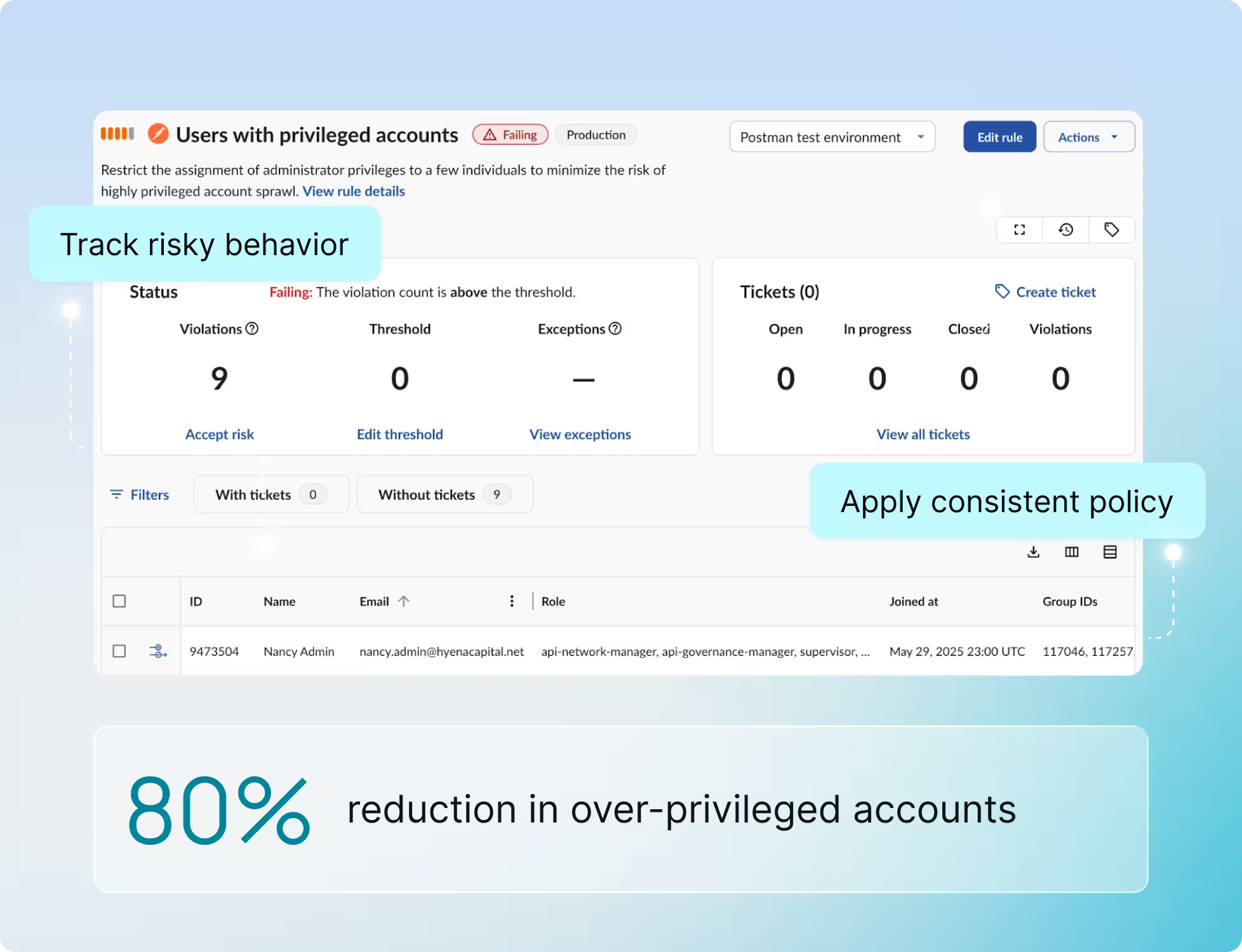
Privilege creep occurs when users accumulate more permissions than necessary over time, increasing the risk of breaches if those accounts are compromised.
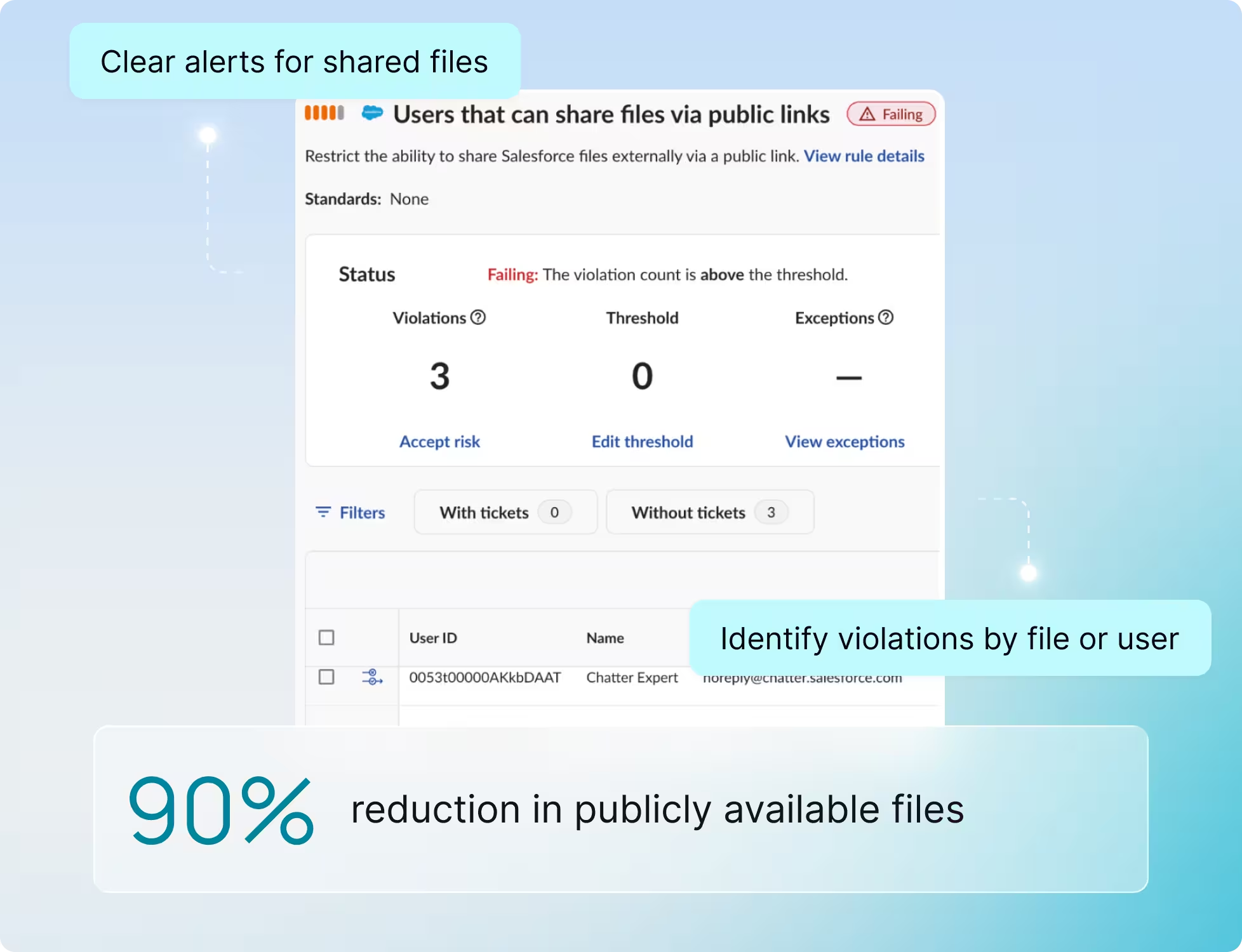
Misconfigurations at the tenant, object, or permission level—such as unchecked public links or overly permissive sharing—can result in documents or data being accessible to unauthenticated users without anyone realizing.
These exposures often bypass traditional identity-based controls, generate minimal security signals, and lack centralized visibility, making them hard to identify until after data is accessed or reported externally.
Exposure can lead to unauthorized data scraping, misuse, compliance violations, regulatory penalties, and reputational damage if information becomes publicly discovered.
Each third-party application has unique access settings, and app owners aren't typically security experts, making oversight complex and leading to oversight gaps.
If a highly privileged account is compromised, attackers can access more data and functionality, expanding the blast radius and potential damage.
Security teams often need to manually review every third-party application instance, map accounts to identities, and compare permissions to policies, which is time-consuming and error-prone.
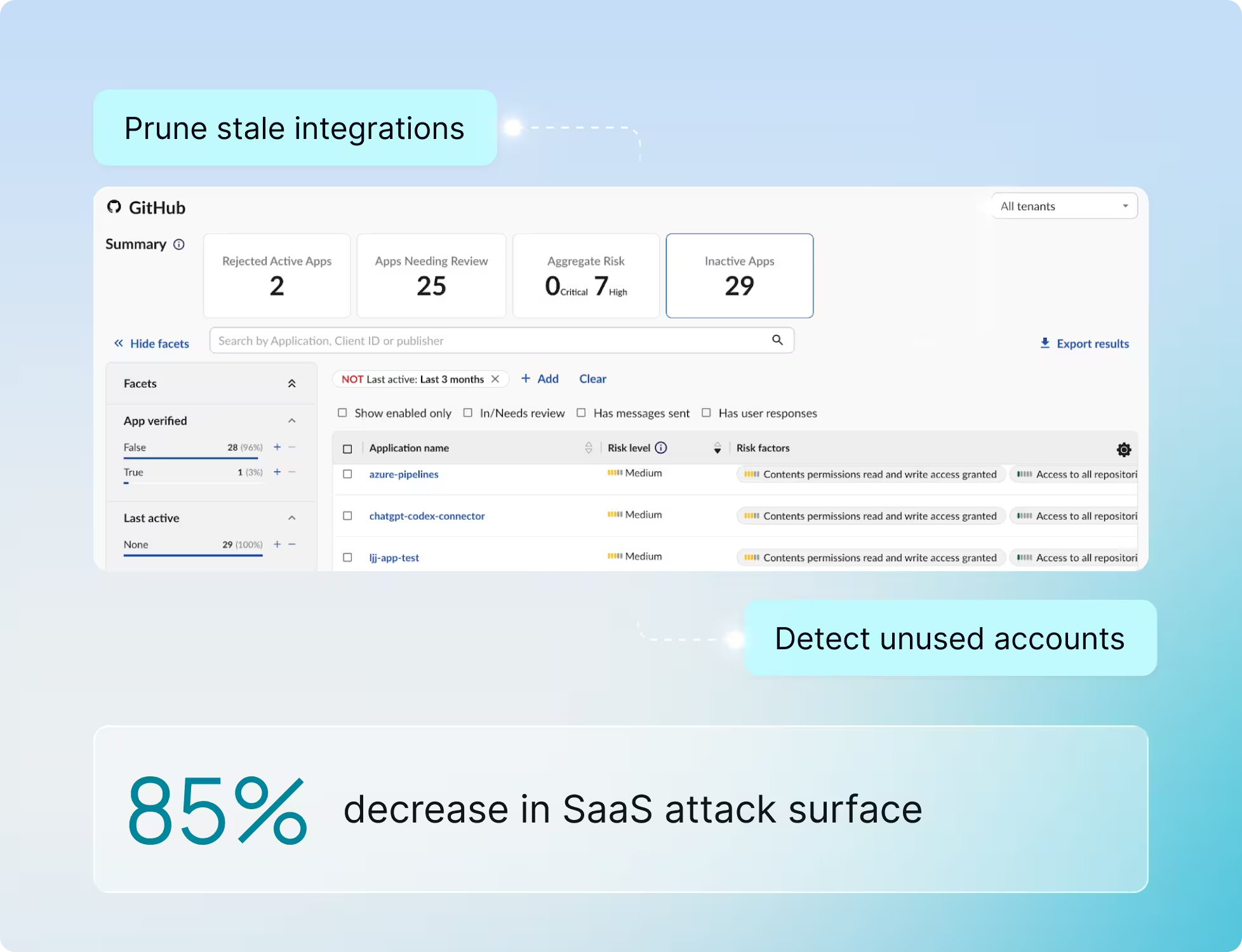
Obsidian identifies unused or unnecessary permissions, allowing organizations to safely withdraw access and adopt practical least privilege without business disruption.
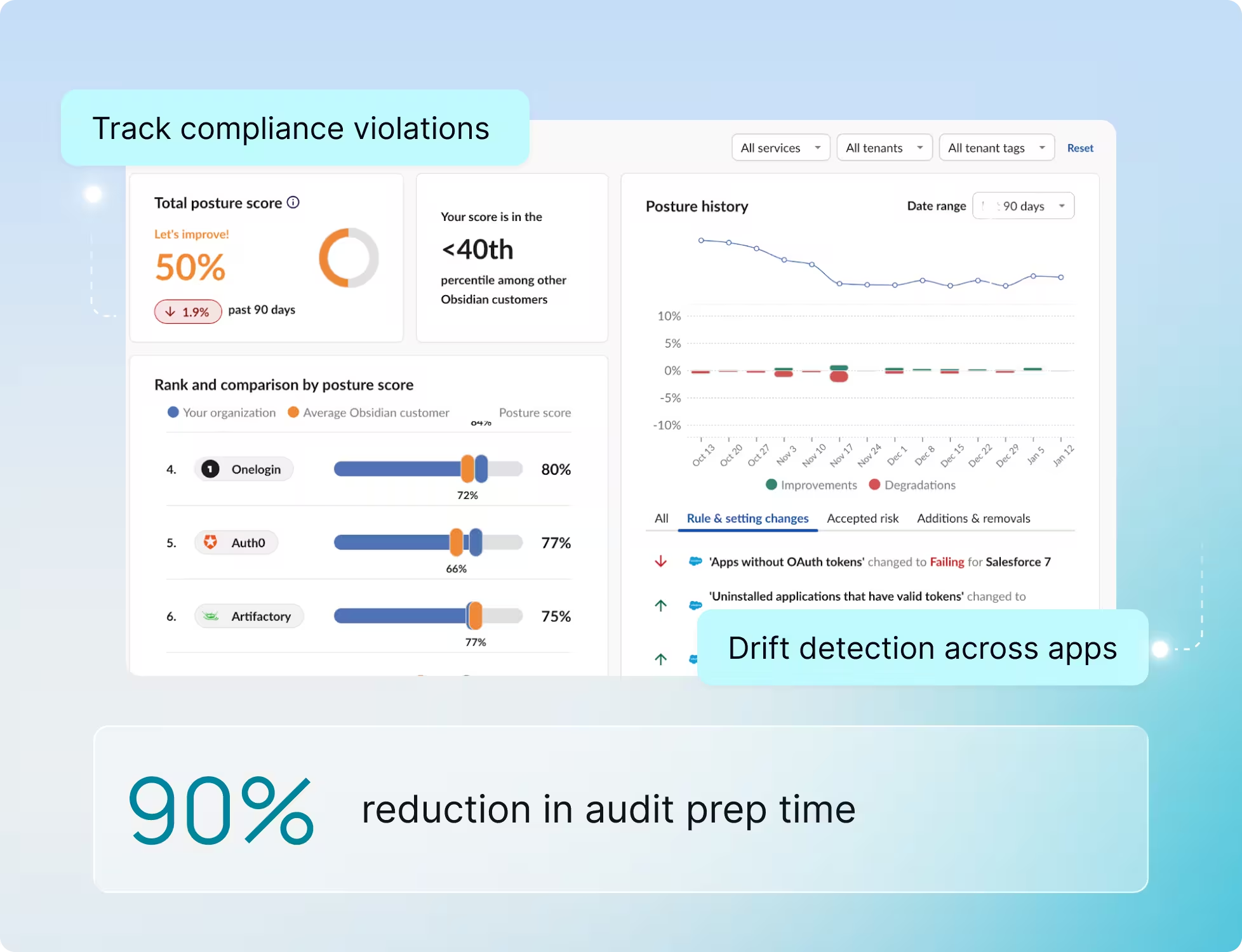
Audits require gathering evidence such as logs and screenshots, mapping accounts to real users, and verifying against policies, a process that is often manual and difficult to scale.
Obsidian’s activity monitoring and built-in analytics streamline evidence collection and showcase unused permissions, supporting audit requirements and policy enforcement.
Leaving excessive privileges unaddressed increases entry points for attackers, elevates the risk of data exposure, and creates potential compliance violations.